AI is with the radiologist
We were honoured to host Dr. Vimal Raj at our SOMATIQ office in Jayanagar, Bengaluru last week. He is President of the Indian Association of Cardiac Imaging, and Chief of Cardiothoracic Imaging at Narayana Health.
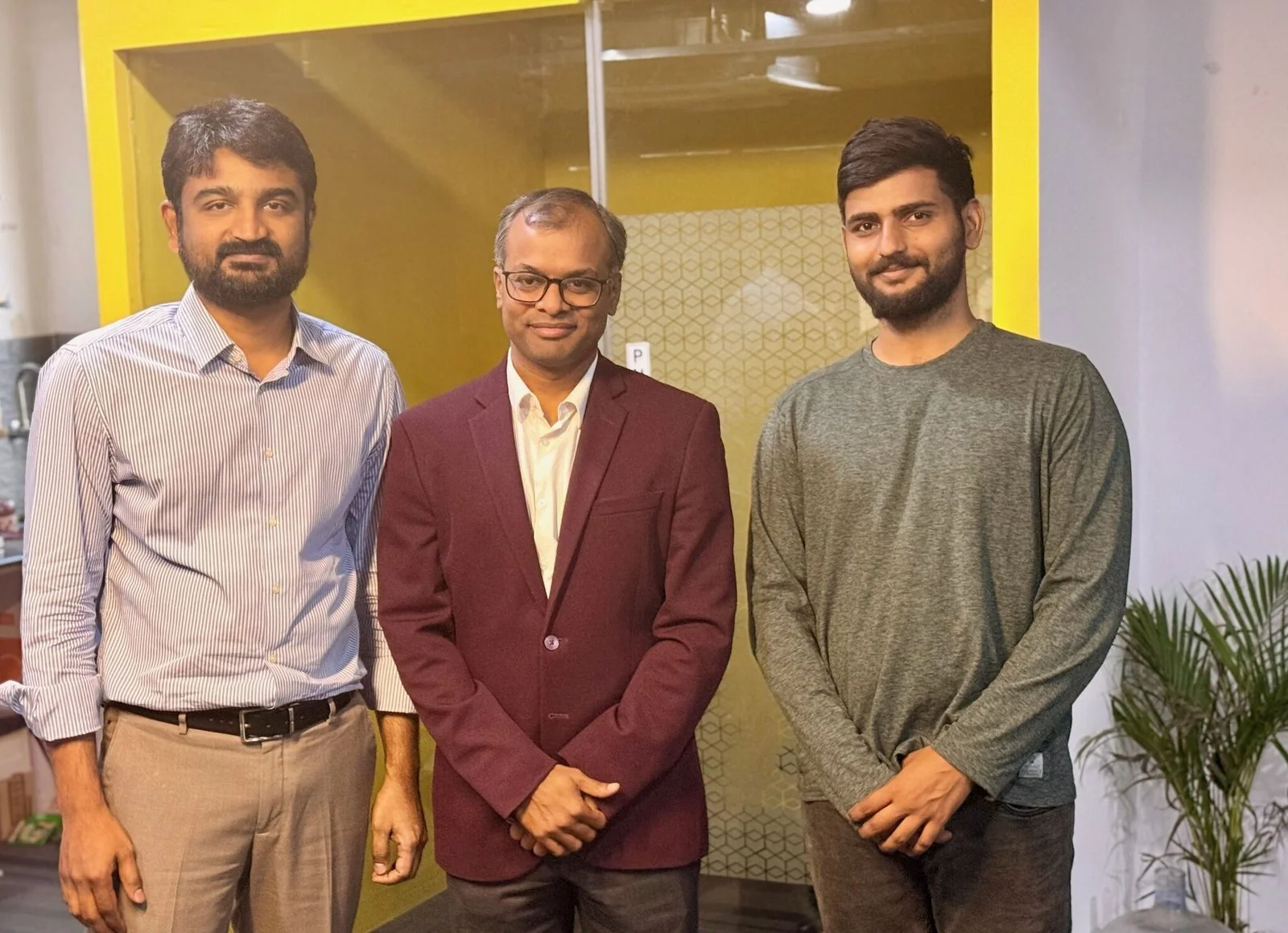
He is one of the most influential voices shaping cardiothoracic imaging in India today. The many hats he wears would each be a career on their own.
- Co-Founder of the Society of Chest Imaging and Interventions. Building, from zero, the home that chest imaging in India didn't have.
- Educator with a wide following on cardiac MR/CT and chest imaging. The kind of teaching that quietly trains a generation of subspecialty radiologists.
- Entrepreneur backing ventures at the intersection of imaging, AI, and access.
We shared SOMATIQ's vision with him: where we are, where we're heading, and what we believe AI should and shouldn't do in radiology. Why a platform-first approach matters. Why robust imaging infrastructure is the foundation any meaningful AI layer has to sit on.
That conversation stayed with me through the week, so I want to write down, a little more fully, what we told him and why we believe it.
What we mean by platform-first
India, and the world more broadly, needs strong imaging platforms before AI can deliver real value. The unlock is not the model alone. It is AI sitting seamlessly inside the radiologist's workflow, earning trust over time.
Think about what a typical reporting day looks like in many centres. The images live in one system. The worklist and patient details live in another. The report is typed somewhere else and then moved across. Priors are slow to load, or sit in a different centre's archive altogether. An AI tool, if there is one, is usually a separate window with its own login.
Now put a very good algorithm into that setup. It flags something on a chest CT. Where does that flag appear? Does it reach the worklist so the study moves up the queue? Does the finding carry into the report draft, or does the radiologist have to retype it? Can the radiologist correct it, and does that correction go anywhere? There are standards that describe how an AI result should travel to the viewer and the report (we went through them in the AI results checklist), but a standard only helps if the systems on the receiving end are connected to each other.
If the answer to all of these questions is "no", the algorithm is clever but the radiologist's day has not changed. Possibly it has become one click longer.
That is what I mean when I say the platform comes first. The archive, the viewer, the worklist and the report have to work as one system, quickly and reliably, before an AI layer on top of them can be useful.
This is why at SOMATIQ we built RIS, PACS and reporting as a single platform, covering registration, scheduling, billing, acquisition, reporting and report delivery, with AI part of the architecture rather than an add-on. Naveen explained the engineering side of that choice when we launched, in what "AI-native" RIS + PACS means.
AI is not despite the radiologist
In short
"AI is not despite the radiologist. AI is with the radiologist."
I have said before that radiology did not fail AI; AI failed to understand radiology. Interpretation is not pattern recognition alone. It is clinical context, correlation, prioritisation, uncertainty management, and judgement under pressure. Comprehensive interpretation must remain with the radiologist.
Where AI already helps, and helps well, is in triaging studies, quantification, and triggering alerts for emergent findings. It can read, flag, and quantify in seconds and take out routine tasks. Many good vendor solutions for these jobs already exist.
So "with the radiologist" is a practical statement, not a slogan. In practice it means four things.
The radiologist stays the author. AI can prepare, sort, measure and suggest. The report that leaves the centre carries a radiologist's name and a radiologist's judgement.
AI works inside the tools the radiologist already uses. Not in a separate tab that someone has to remember to open. If it does not show up in the worklist, the viewer and the report, it will not be used, however good it is.
Trust is earned over time. A radiologist will accept help from a system that has been right, and visibly honest about where it can be wrong, case after case. That does not happen in a demo. It happens over months of daily work.
The aim is time. When routine work comes off the radiologist's desk, some of that time should go back to the patient. I wrote about this earlier this year in The Worklist Doesn't Care: AI may finally give us back what we lost a long time ago, the time to be present.
Why this matters for a centre
For a centre owner, the question is usually framed as "which AI should we buy?" I would suggest asking a different question first: is our platform ready for any AI at all? A few practical checks help here.
How long does it take for a study and its priors to be on the radiologist's screen?
How many systems, and how many logins, does a radiologist touch to sign one report?
If an AI result arrives, where does it land: the worklist, the viewer, the report, or an email?
Can your radiologists correct an AI output inside the same workflow?
If the honest answers are "slow", "several", "nowhere useful" and "no", then buying an algorithm will not change much. Fixing the foundation will. The order matters. Once the archive, viewer, worklist and report work together, an AI result has somewhere to land; bought the other way round, the algorithm risks becoming one more window that nobody opens.
Thank you, Dr. Vimal Raj
Thank you, Dr. Vimal Raj, for the time and the generosity. Conversations like this one, with radiologists who have built subspecialty communities and trained so many of us, keep us honest about what we are building and for whom.
Looking forward to more such discussions, and to your guidance along the way.
Related reading
FAQ
What does "AI with the radiologist" mean?
It means AI that supports the radiologist's work rather than trying to replace it. AI helps with triage, quantification and alerts for urgent findings, inside the radiologist's existing workflow, while the radiologist remains responsible for interpretation and the final report.
What is a platform-first approach to radiology AI?
It is the idea that the imaging infrastructure (archive, viewer, worklist and reporting) must be fast and unified before an AI layer can add real value. Without that foundation, AI results have nowhere useful to go and the radiologist's day does not get easier.
Why does SOMATIQ build RIS, PACS and reporting as one platform?
Because AI added as a separate layer to systems that were never built to work together adds friction. On a single platform, AI can be part of the worklist, the viewer and the report rather than another window to open.
Who is Dr. Vimal Raj?
Dr. Vimal Raj is President of the Indian Association of Cardiac Imaging, Chief of Cardiothoracic Imaging at Narayana Health, Co-Founder of the Society of Chest Imaging and Interventions, and a widely followed educator in cardiac MR/CT and chest imaging.
Ready to see your workflow on one platform?
We will walk you through the whole workflow, from registration to signed report.